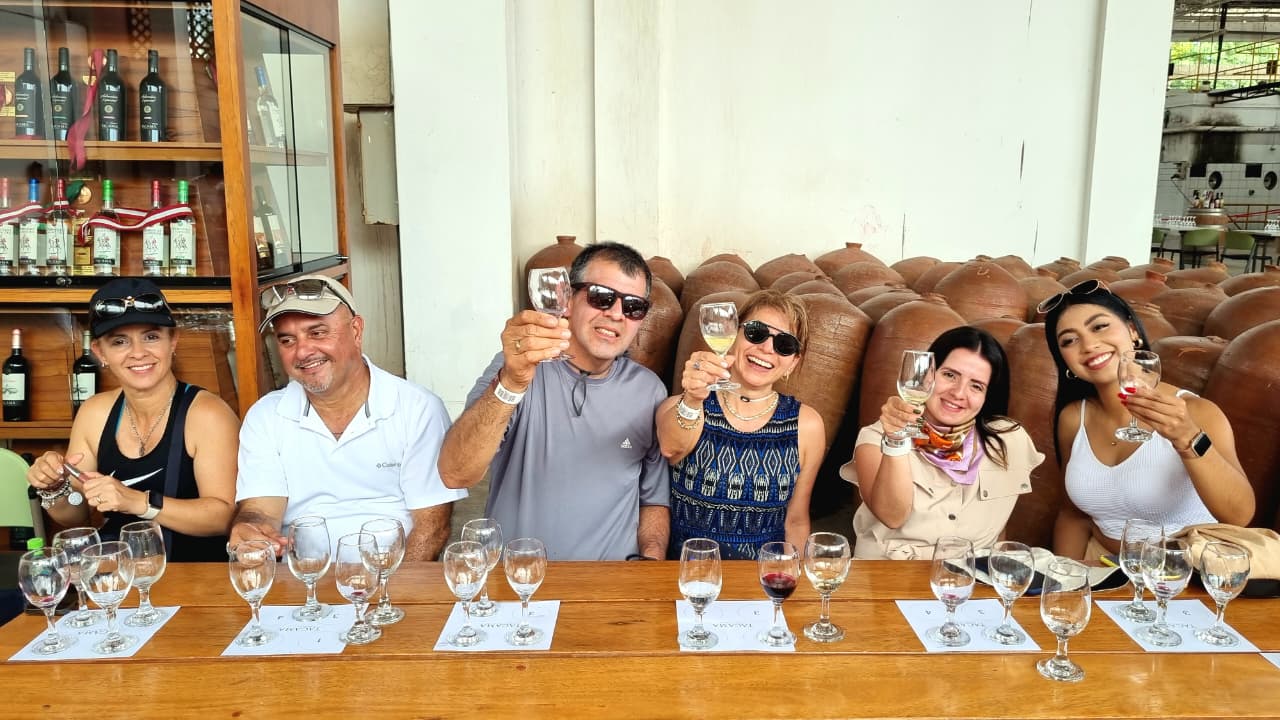
Peru is internationally famous for its incredible cuisine, ancient civilizations, and iconic Pisco. But there is another fascinating part of its heritage that many travelers have yet to discover: its centuries-old winemaking tradition. From the first documented vineyard in South America, established in Lima during the 16th century, to the vineyards and wineries producing distinctive Peruvian wine today, Peru has a rich wine story shaped by history, geography, and local traditions. Whether you are a wine enthusiast or simply curious about discovering a different side of Peruvian culture, join us on a journey through the country’s winemaking history, its main wine regions, and the grape varieties that make Peruvian wine so interesting.
Tacama: Discovering Peruvian Wine at South America’s First Vineyard
Located in the Ica Valley, just south of Lima, the home of Peruvian wine, Tacama was established in the 1550s, earning its title as the oldest vineyard in South America. Today, Tacama spans over 230 hectares, beautifully combining its 400-year-old colonial hacienda heritage with state-of-the-art French winemaking technology.
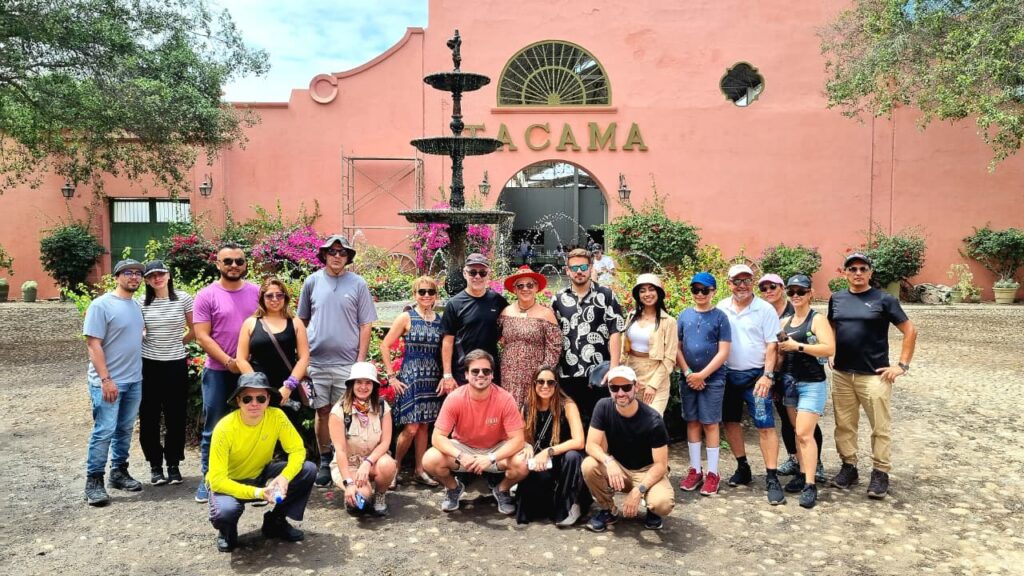
The Untold Story of Peruvian Wine History
Explore the history of South America’s oldest vines and learn about the primary Peruvian wine regions located in the coastal desert valleys. Spanish settlers planted the continent’s very first European grapevines in Peruvian soil.
Over the decades, Tacama has collaborated with world-renowned French oenologists, including Michel Rolland and Émile Peynaud, bringing Old World precision to Peru’s unique coastal terroir.

South America’s First Vineyard: The Story Begins in Lima, Peru
While many travelers associate South American wine primarily with Argentina and Chile, Peru has a remarkable place in the continent’s winemaking history.
According to research by Peruvian historian Guillermo Toro-Lira, Spanish captain Hernando de Montenegro planted South America’s first documented vineyard in Lima between 1539 and 1541. But perhaps the most interesting part of this story is the contribution of local Indigenous communities. Although the Spanish introduced European grapevines, Indigenous people played a fundamental role in cultivating the vines, using their knowledge of agriculture and irrigation systems to grow crops in Peru’s dry coastal environment.
Peruvian Wine: Grape Varieties, Flavors and Styles You Should Know
Peruvian wine is more diverse than many international visitors expect. The country’s winemaking tradition combines heritage grape varieties, locally known as criolla varieties, with international grapes that have adapted to different growing conditions.
One of the most fascinating aspects of Peruvian viticulture is its geography.
Many vineyards are located in coastal desert valleys, where sunshine is abundant, rainfall is scarce, and irrigation plays an essential role in grape cultivation.
These distinctive conditions help shape the character of the grapes and the wines produced in each region.
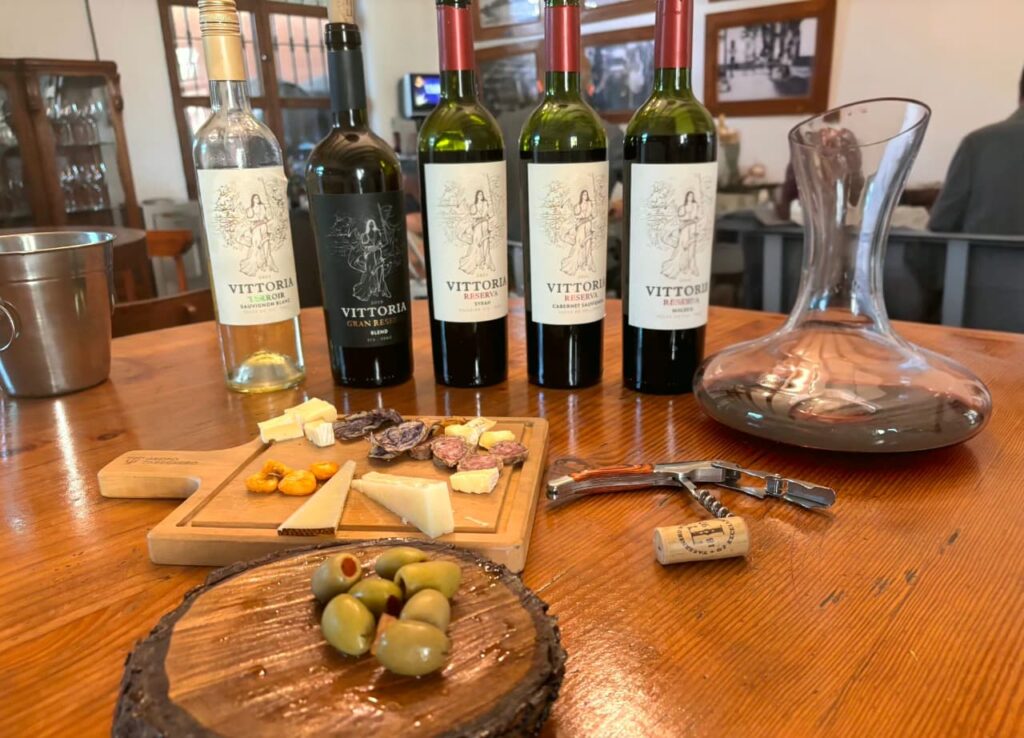
1. Peruvian Red Wines: Intense Flavors and Character
Peru produces red wines from both traditional and international grape varieties. Some of the varieties you can find include:
• Quebranta: One of Peru’s most iconic grape varieties, particularly associated with pisco production. Some producers also use it to make wines.
• Malbec: Known for its black fruit flavors, smooth texture, and intense character.
• Cabernet Sauvignon: A very popular international variety that produces structured wines with notes of black fruit and pronounced tannins.
• Syrah: Renowned for its intense aromas, ripe fruit character, and spicy notes.
• Tannat: A variety capable of producing full-bodied wines with firm tannins and intense color.
2. Peruvian White Wines: Freshness and Aromatic Character
Peruvian white wines offer an interesting combination of traditional and international grape varieties. Among the most notable are:
• Italia: An aromatic grape with floral and fruity characteristics.
• Torontel: Known for its expressive aromas, floral notes, and distinctive character.
• Albilla: A traditional Peruvian grape associated with pisco production and the country’s winemaking heritage.
3. Peruvian Rosé Wines: A Different Expression of Local Grapes
Rosé wines are also part of Peru’s evolving wine scene. One particularly interesting aspect is the use of Quebranta, a grape deeply connected to Peruvian Pisco traditions, in alternative wine expressions.
These wines offer another way to explore the versatility of local grapes and their potential beyond traditional distillation. For curious wine lovers, this is a great opportunity to discover a less familiar side of Peruvian viticulture.
4. Sweet Wines and Borgoña: A Popular Peruvian Tradition
Sweet wines are another part of Peru’s wine culture. One of the best-known examples is Peruvian Borgoña, traditionally made with the Isabella grape, locally known by the same name. It is known for its sweet taste, intense fruity aromas, and approachable style.
An important detail for international visitors: Peruvian Borgoña is not the same as French Burgundy wine. The name refers to a popular Peruvian wine style associated with the Isabella grape.
It is a particularly interesting example of the country’s popular wine traditions and the different ways local consumers enjoy grape-based drinks.
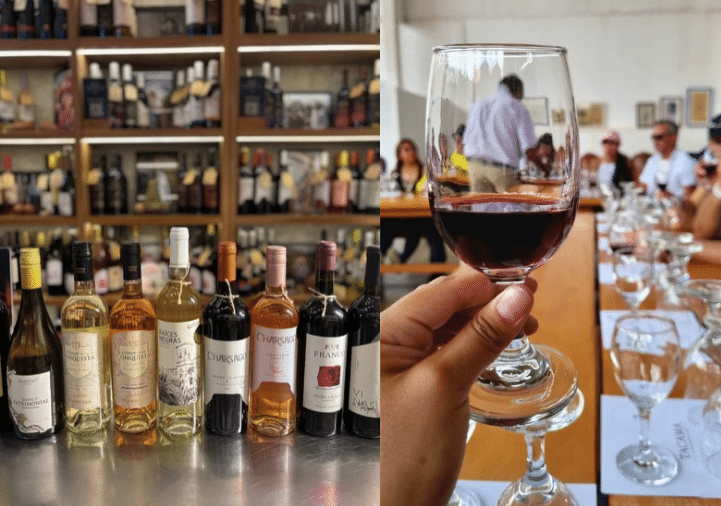
Discover Peruvian Wine with Lima Tasty Tours
Learning about the history of Peruvian wine is fascinating, but experiencing it firsthand is something entirely different.
At Lima Tasty Tours, we believe the best way to discover a destination is through its traditions, its people, and its flavors.
That’s why we invite you to discover our tour, where Peru’s grapes and winemaking tradition come together in a cultural and culinary experience in Lima. We want every experience to leave you with more than just photos. We really want you to take home stories, knowledge, and memories that connect you to Peruvian culture.
If you are looking for an authentic wine tour in Lima, our guided culinary experiences connect you directly with Peru’s winemaking heritage.