
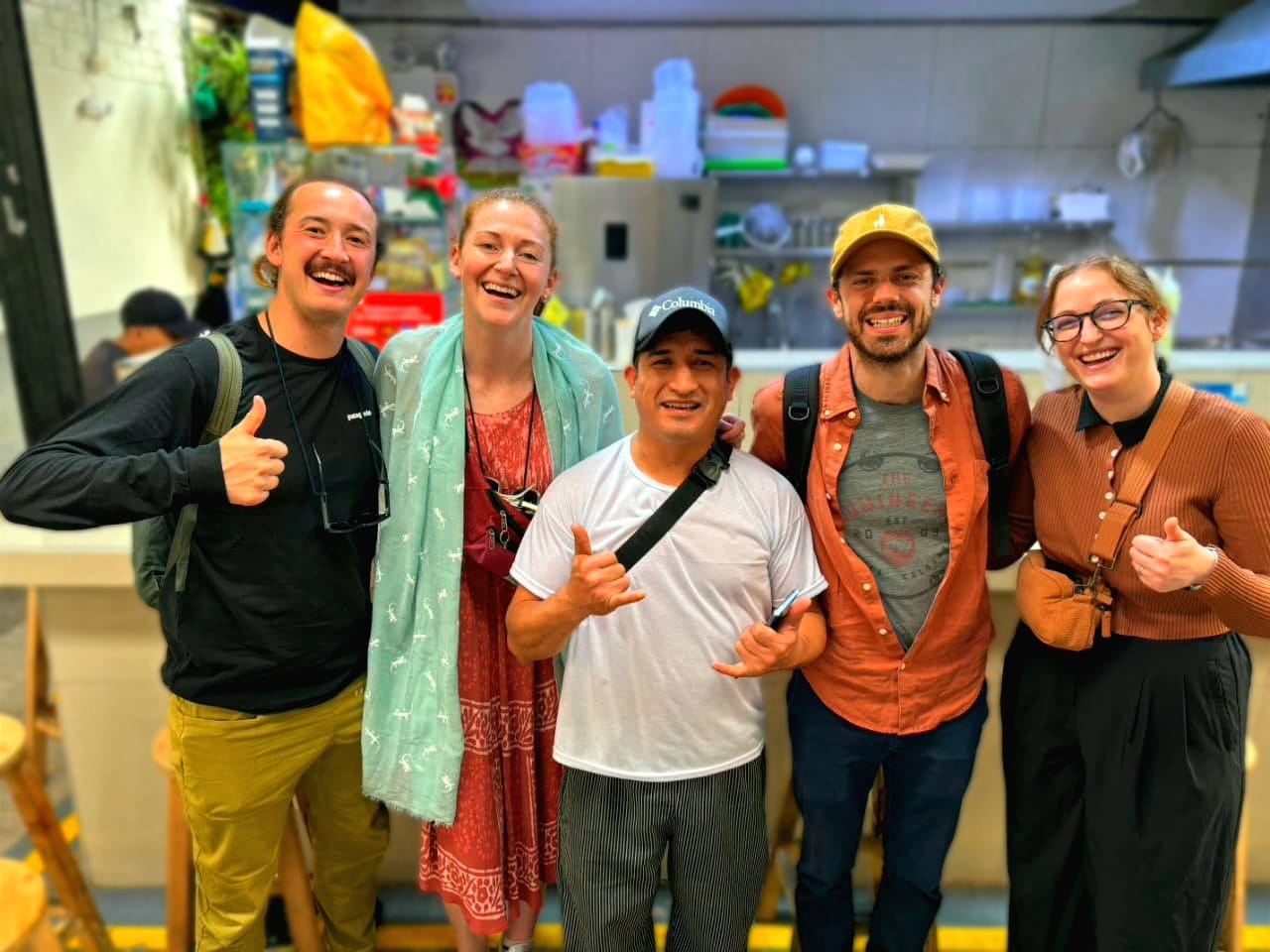
Imagine walking through a traditional market in Lima at seven in the morning. The sound of vendors calling out their daily specials mixes with the smell of freshly baked bread, frying pork, sizzling onions, and freshly squeezed fruit juice. At one corner, someone is preparing sandwiches for workers heading to their jobs. At another, a family is sharing a generous Sunday breakfast.
This is how the day begins in many parts of Peru’s coastal region.
A traditional Peruvian breakfast is about much more than satisfying morning hunger. It tells stories of fishermen returning from the sea, families passing down recipes, migrants bringing their culinary traditions, and generations of street vendors turning simple ingredients into beloved local specialties.
Along Peru’s Pacific coast, every Peruvian breakfast has developed its own personality. It combines fresh seafood, pork, traditional sausages, sweet potatoes, local bread, and an extraordinary variety of tropical and Andean ingredients.
In Lima, Callao, and coastal towns, some of the most memorable dishes of the Peruvian breakfast menu are served between two pieces of bread. These sánguche*, as Peruvians call sandwiches, are part of everyday life and an important expression of the country’s culinary identity.
So, why do Peruvians eat these particular dishes for breakfast? And what can a sandwich tell us about the history of a city?
Let’s explore the traditions behind the most representative coastal Peruvian breakfast dishes.
Pan con Pejerrey: A Breakfast Born in the Port of Callao
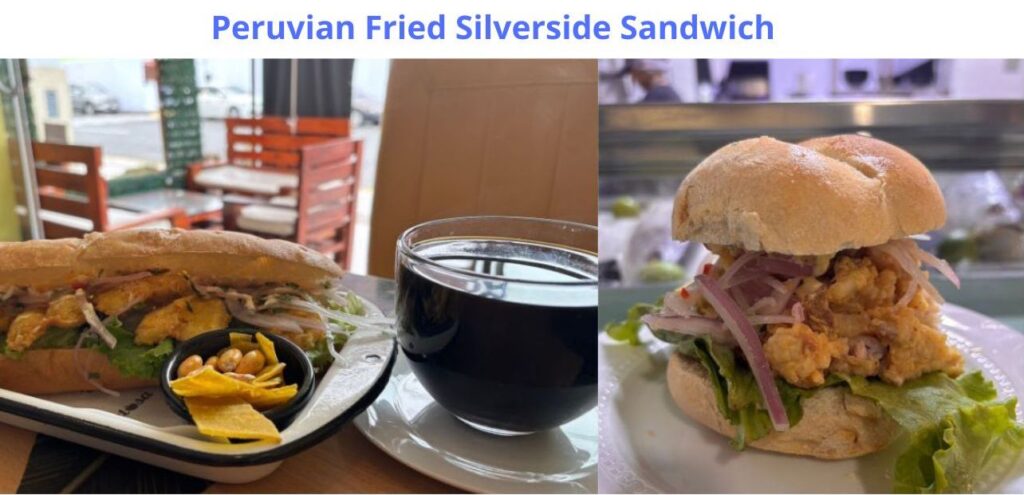
If one sandwich represents the maritime identity of Callao, it is pan con pejerrey. Pejerrey is a small, slender fish found along the Peruvian coast and a classic choice for an early morning Peruvian breakfast.
To prepare this sandwich, the fish is coated in a light batter, usually made with flour and egg, and fried until golden and crispy. It is then placed inside fresh bread, often accompanied by sarsa criolla, a refreshing mixture of sliced red onion, lime juice, cilantro and seasoning.
The contrast makes it a standout Peruvian breakfast: crunchy fish, soft bread, and the acidity of the onion. But the story behind this sandwich is even more interesting.
The fishing traditions and migration behind the pejerrey sandwich
Callao has been Peru’s principal port for centuries. Its identity connects directly to fishing, maritime trade, and cultural migration. Both Italian and Japanese communities contributed significantly to the port’s history.
Italian and Japanese communities contributed significantly to the port’s cultural and commercial life. Japanese immigration officially began in 1899, when the ship Sakura Maru arrived in Callao carrying Japanese workers. Italian immigrants, meanwhile, had established a strong presence in the port during the nineteenth century. The history of fried-fish sandwiches reflects this multicultural environment.
Local tip: Try your pejerrey sandwich with salsa criolla and a little ají. The freshness of the onion and lime balances the richness of the fried fish beautifully.
Pan con Chicharrón: The Sunday Breakfast That Brings Families Together
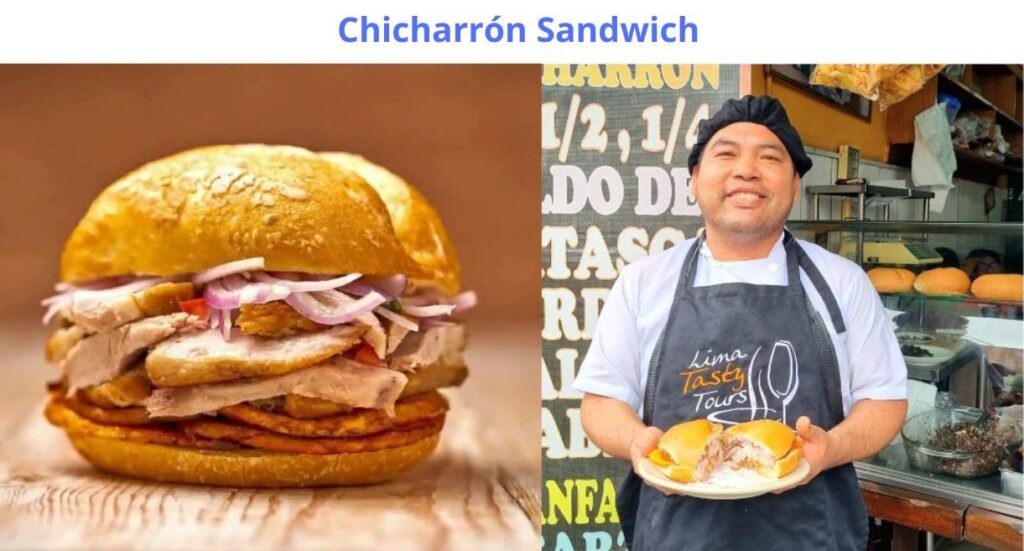
Few sandwiches inspire as much affection as pan con chicharrón. It is the undisputed king of Peruvian breakfast culture, especially in Lima, where Sunday mornings revolve around visiting a traditional chicharronería.
The sandwich is made with chicharrón, pieces of pork cooked until tender and then fried in their own fat until the outside becomes deliciously crisp. The meat is placed inside fresh bread with slices of fried sweet potato, known as camote, and salsa criolla. The combination of savory pork, naturally sweet camote, and sharp onion dressing makes every bite distinctive.
A meeting of Spanish, African, and Indigenous food traditions
The history of this iconic Peruvian breakfast reflects centuries of cultural exchange. The Spanish introduced pigs, while native sweet potatoes (camote) had been cultivated in the Americas for millennia. Afro-Peruvian cooks brought creative culinary techniques, and later Chinese immigration added further depth to coastal flavors.
However, the Peruvian version tells a much more complex story. Sweet potatoes were already cultivated in the Americas long before the arrival of Europeans. African culinary traditions also contributed to the development of coastal cooking, particularly through the creative use of different cuts of meat and richly seasoned preparations.
Later, Chinese migration added further influences to Peru’s food culture, including cooking techniques and seasoning practices. It is therefore more accurate to understand pan con chicharrón as the result of centuries of culinary exchange rather than as a sandwich invented by one particular community.
Why Sunday mornings belong to chicharrón
In Lima, a Sunday Peruvian breakfast is a social ritual. Families gather at neighborhood eateries or order sandwiches to take home, sharing dark coffee and stories. If you want to experience these flavors firsthand, check out our Lima food tours for an authentic market experience.
For many Peruvians, pan con chicharrón is not simply something to eat. It is a Sunday ritual, a family memory, and a taste of home.
Local tip: Order your sandwich con todo — with pork, camote, and salsa criolla. It is the combination that best represents the traditional experience.
Pan con Lomo al Jugo: When a Traditional Peruvian Stir-Fry Meets Bread
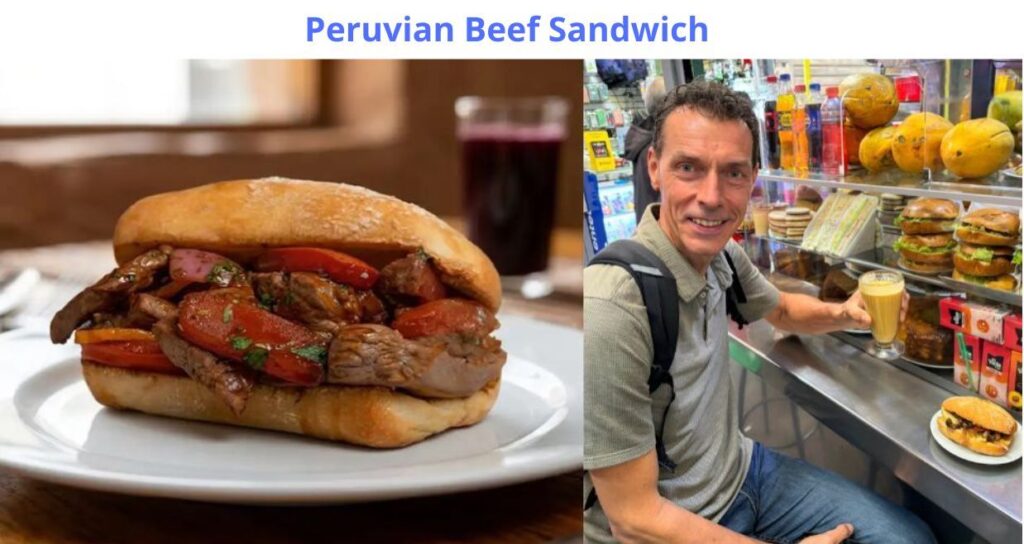
Peru is internationally famous for lomo saltado, one of its most emblematic dishes. But there is another way to enjoy Peruvian beef in the morning: pan con lomo al jugo.
This sandwich consists of tender strips of beef cooked with onions, tomatoes, garlic, and seasonings, creating a flavorful cooking liquid, or jugo. The meat and its juices are served inside fresh bread, allowing the bread to absorb all those delicious flavors. It is simple, comforting, and wonderfully satisfying.
The Chinese influence behind Peruvian beef dishes
To understand the cultural background of lomo al jugo, we need to look at one of the most important influences on Peruvian coastal cuisine: Chinese immigration. Chinese immigrants began arriving in Peru in significant numbers in 1849, initially through the labor system that brought workers to coastal plantations. Many later established businesses, restaurants, and small food establishments. Their influence transformed the way Peruvians cooked.
Stir-frying over high heat, combining different seasonings, and using ingredients such as soy sauce became important elements of the culinary exchange that eventually helped shape chifa, the Peruvian-Chinese culinary tradition. Lomo saltado is one of the best-known expressions of this exchange.
Pan con lomo al jugo belongs to the same broader tradition of turning flavorful beef preparations into accessible everyday meals. However, it should not be confused with a direct historical origin story for the sandwich itself: there is no single well-established account identifying when or where it was first created.
Local tip: Look for a place where the lomo is freshly prepared. The best sandwiches have tender beef, well-cooked onions, and enough natural juices to flavor the bread without making it completely soggy.
Pan con Relleno y Camote: An Afro-Peruvian Taste of the Coast
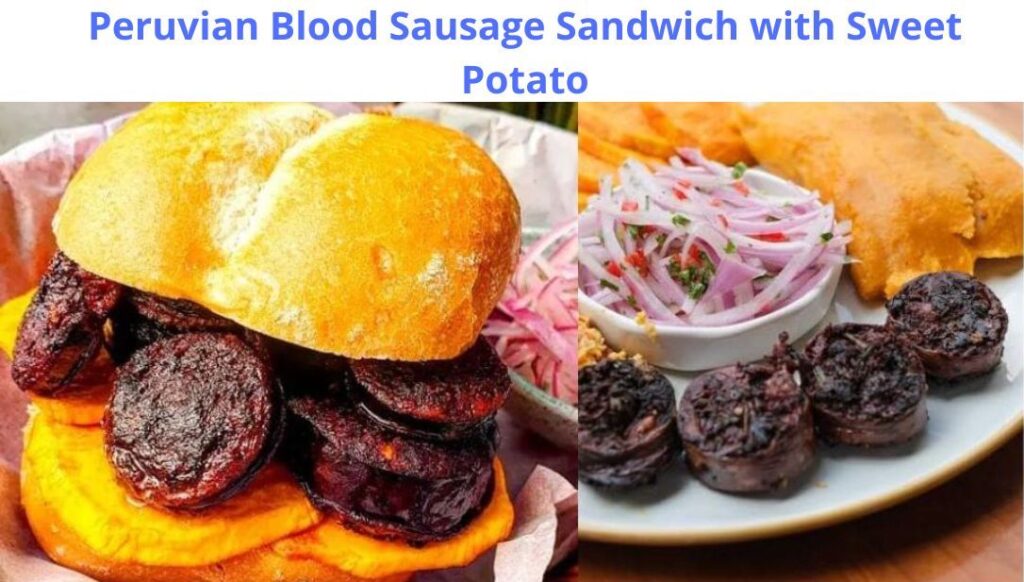
This sandwich may surprise visitors who are discovering Peruvian breakfast for the first time. Relleno is a traditional blood sausage, generally made with pork blood, pork fat or meat, and seasonings such as onion, garlic, cumin, and other local ingredients. Recipes vary between regions and individual cooks.
When served inside bread with fried sweet potato and sometimes salsa criolla, it becomes a distinctive coastal breakfast. The contrast between the soft, seasoned sausage and the sweetness of the camote makes this combination particularly interesting.
The African heritage of coastal Peruvian cuisine
The story of relleno is connected to the history of Afro-Peruvian cooking. During the colonial period, enslaved Africans and their descendants played a fundamental role in shaping the food culture of Peru’s coast.
Their culinary knowledge contributed to dishes that made creative use of different parts of animals, including ingredients that wealthier households often overlooked. The use of blood, offal, and other cuts, combined with herbs, spices, and local ingredients, became part of a broader coastal culinary tradition.
It is important to recognize that no single recipe can represent the entire Afro-Peruvian contribution. Rather, relleno is one example of how techniques, ingredients, and food knowledge passed between generations and communities.
Why relleno and camote are eaten together
In traditional markets and breakfast establishments, relleno is often served alongside chicharrón, tamales, and other substantial preparations.
In Huacho, north of Lima, relleno is also part of the traditional regional breakfast, where it can be accompanied by fried sweet potato, bread, and other local specialties. The combination reflects a practical approach to food: making a complete meal from familiar ingredients, using what local producers and markets have available. For visitors, this is an opportunity to discover a side of Peruvian cuisine that goes beyond its internationally famous dishes.
Local tip: If you are curious about traditional coastal cooking, try a small portion of relleno before ordering a full sandwich. Its seasoning and texture are quite different from European-style sausages.
What Do Peruvians Drink With Their Breakfast Sandwiches?
A Peruvian breakfast would not be complete without something to drink. Although coffee is a common companion to traditional sandwiches, the choice depends on the household, the region, the season, and even the time of day. In coastal cities such as Lima, you will find several popular options.
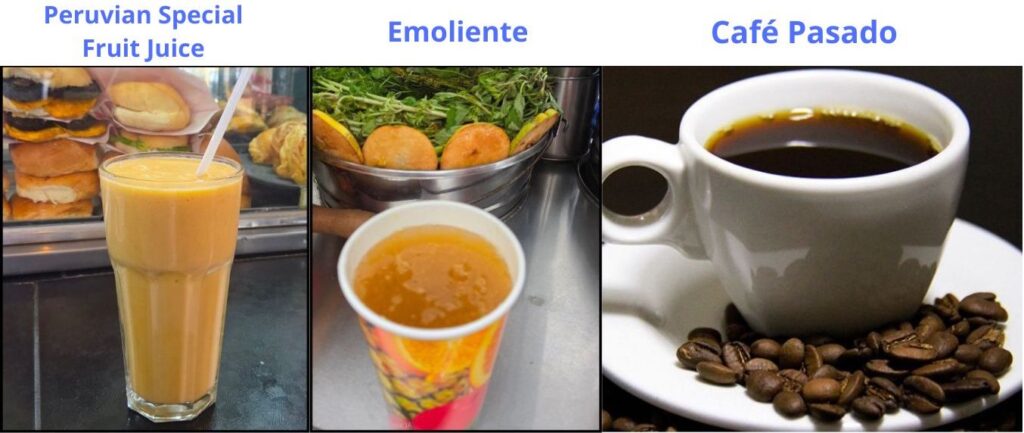
Café pasado: The traditional morning coffee
Café pasado is filtered coffee prepared by pouring hot water through ground coffee. It is commonly served black or with hot milk. For many families, this is the natural companion to a sandwich, particularly pan con chicharrón or salchicha huachana. In traditional breakfast establishments, the coffee is often served in a simple cup, without elaborate presentation.
Emoliente: A warm drink sold on the streets
One of the most recognizable sights on Lima’s streets early in the morning is the emolientero. Emoliente is a traditional herbal drink prepared with ingredients that commonly include toasted barley, linseed, medicinal herbs, and lemon. Some vendors add other ingredients depending on their own recipes.
It is usually served hot from large metal containers on street carts. Its popularity is closely associated with the daily routines of workers, commuters, and people who need something warm before beginning their day. It is also an excellent introduction to the everyday side of Lima’s street food culture.
Fresh fruit juices: A colorful part of the coastal breakfast
Peru’s coastal markets and neighborhood juice bars are full of fresh fruit. Depending on the season and availability, you may find papaya, pineapple, orange, mango, strawberry, passion fruit, lucuma, and other varieties. One of the most popular ways to enjoy them is through a freshly prepared jugo surtido or jugo especial. These names are not always used consistently, and recipes vary between establishments.
A jugo surtido generally combines several fruits, commonly papaya, pineapple, banana, and strawberry. A jugo especial may include a richer combination of fruits, sometimes with milk, honey, or algarrobina, a sweet syrup made from carob pods. The best part is watching the preparation. At a traditional market, the vendor selects the fruit, cuts it, places it in a blender, and prepares your drink while you wait. You can usually choose between water and milk, depending on the fruit and your preference.
For international visitors, it is a wonderful opportunity to discover the diversity of Peruvian produce simply and deliciously.
Conclusion: Start Your Day the Peruvian Way
The next time you visit Lima, skip the hotel buffet and head to a local market or neighborhood sandwich shop. Tasting an authentic Peruvian breakfast from crispy pejerrey in Callao to Sunday chicharrón is the best way to connect with the history and soul of Peru’s coast.
Try a crispy pejerrey sandwich in Callao, enjoy a pan con chicharrón on a Sunday morning, discover the rich flavors of relleno. And don’t forget to order a freshly prepared Peruvian fruit juice or a cup of traditional café pasado. Every bite offers a glimpse into the history, cultural diversity, and everyday life of Peru’s coastal communities.
But the story of Peruvian breakfast doesn’t end at the coast.
In the second part of this series, we will travel into the Andes and northern Peru to discover traditional morning broths, hearty regional breakfasts, and the distinctive flavors of the Amazon rainforest. Stay tuned to discover how every region of Peru welcomes the morning!
Come hungry. Peru has a breakfast story worth waking up for.


