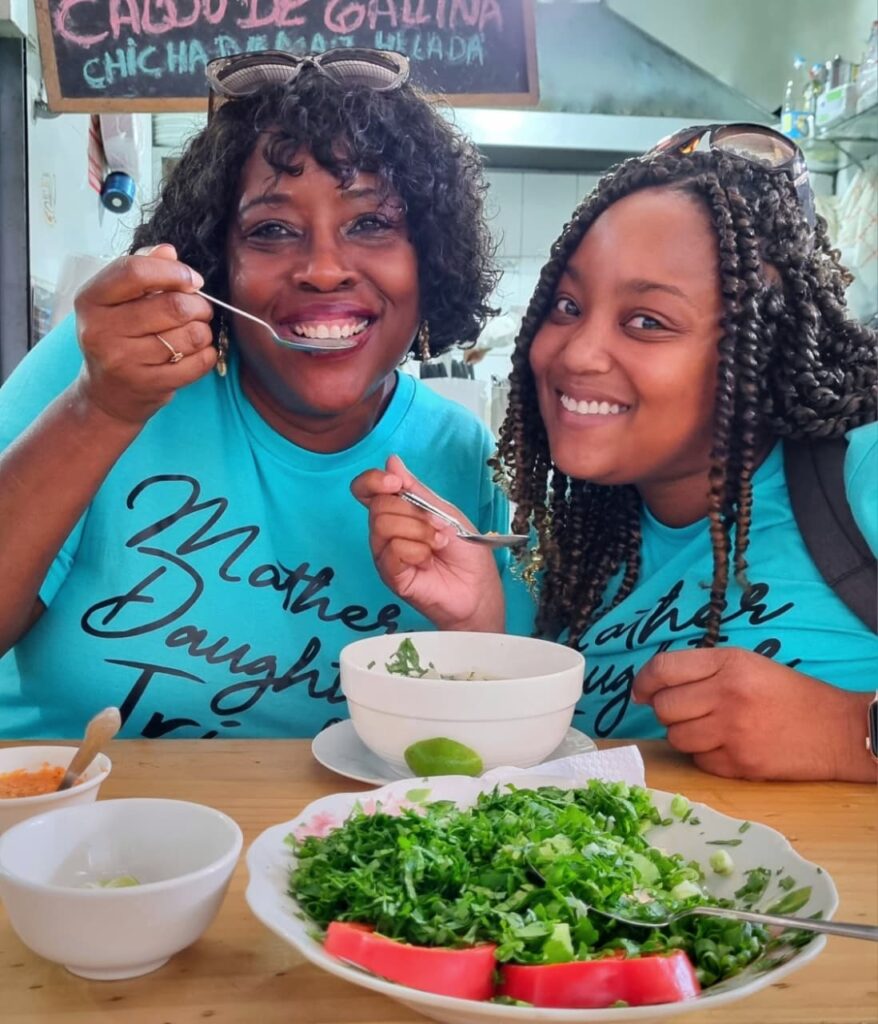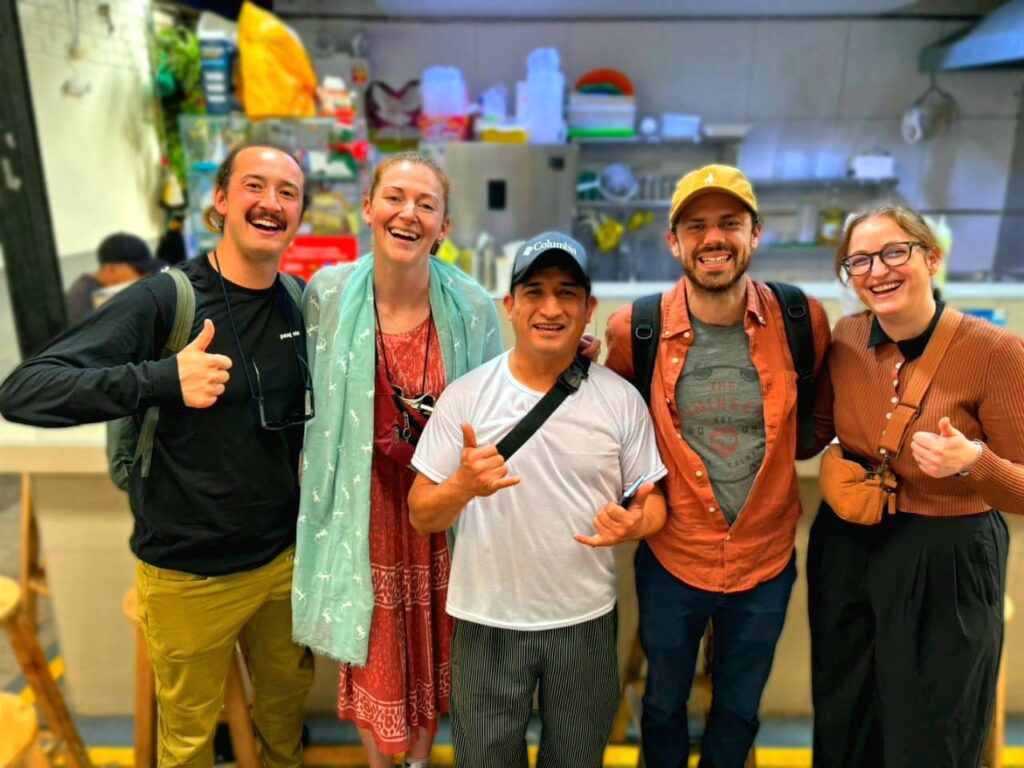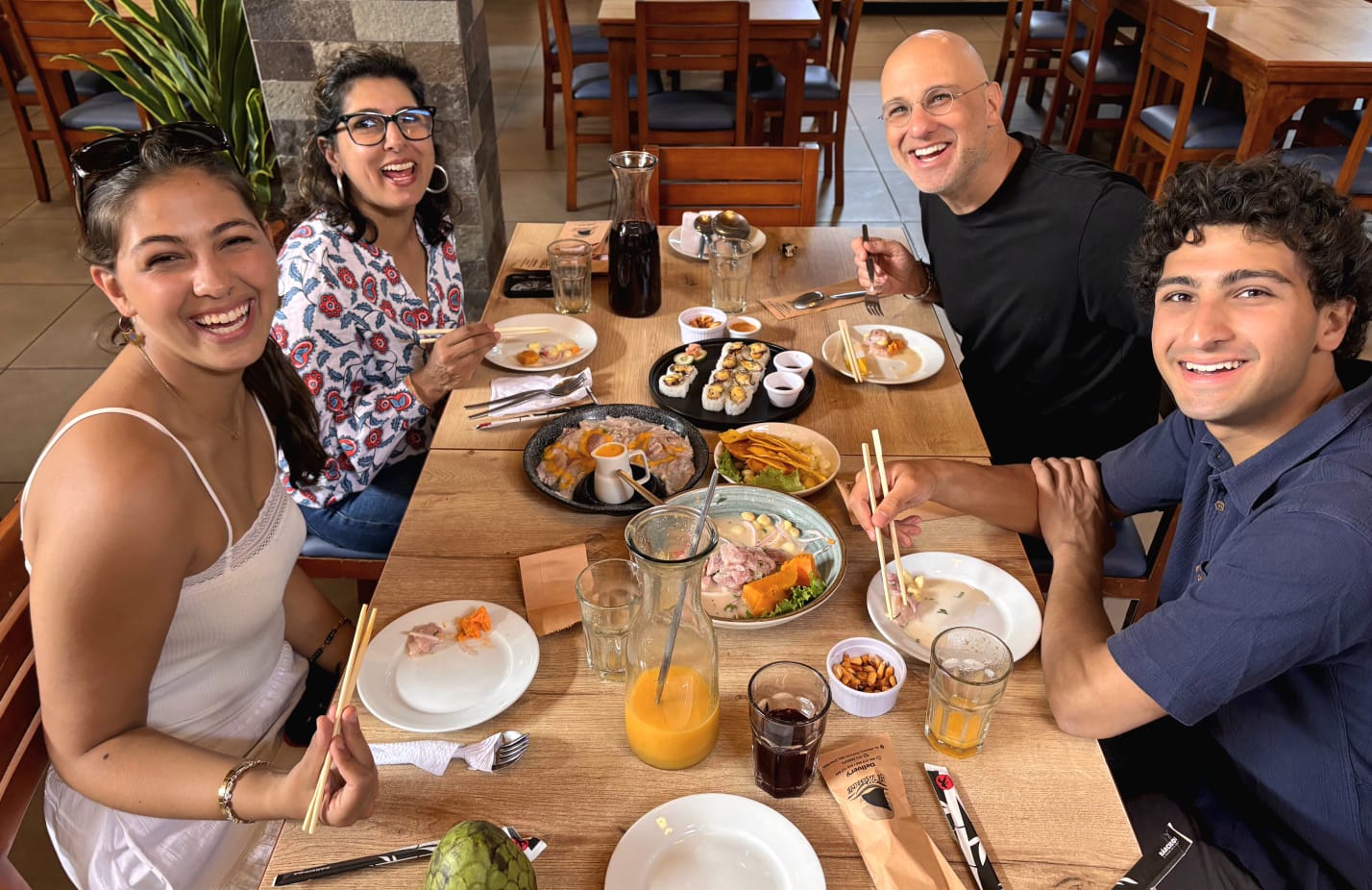
Exploring Lima on a food tour is one of the best ways to discover Peru’s diverse culinary culture. Along the Pacific coastline, fresh seafood meets centuries-old traditions, while traditional markets, family-run eateries, and contemporary restaurants reveal the influences that have shaped Peruvian cuisine.
For international travelers, exploring Lima food tours means much more than visiting famous restaurants. It means tasting fresh ceviche, discovering exotic Peruvian fruits, learning about Japanese-Peruvian fusion, and enjoying a traditional pisco sour in Barranco. From authentic Peruvian cuisine to Peruvian street food, Lima offers memorable culinary experiences for every food lover.
Peruvian gastronomy brings together Indigenous, Spanish, African, Chinese, and Japanese influences. This diversity can be experienced through Lima street food, traditional Peruvian cuisine, Chinese-Peruvian chifas, contemporary restaurants, and neighborhood huariques. Whether you are visiting for the first time or returning to discover hidden food gems, a Lima food tour introduces you to the ingredients, traditions, and local flavors that make Peru a remarkable culinary destination.
1. Nikkei Cuisine in Lima: Japanese-Peruvian Fusion
When searching for Nikkei cuisine on a Lima food tour, food lovers discover one of Peru’s most distinctive culinary traditions. Nikkei cuisine combines Japanese cooking techniques with Peruvian ingredients, creating a unique style of Japanese-Peruvian fusion.
Originating from Japanese migration to Peru in the late nineteenth century, this cuisine evolved through the use of Pacific seafood, Peruvian chili peppers, citrus, and local produce. Today, Nikkei restaurants in Lima are an important part of the city’s culinary scene, especially in Miraflores and Barranco.
For travelers interested in authentic Peruvian cuisine, Nikkei food offers a different perspective on Lima gastronomy. On a Lima food tour with Lima Tasty Tours, discover lesser-known restaurants and explore the local ingredients, cooking traditions, and creative flavors behind Japanese-Peruvian cuisine.
What to Eat: Must-Try Nikkei Dishes in Lima
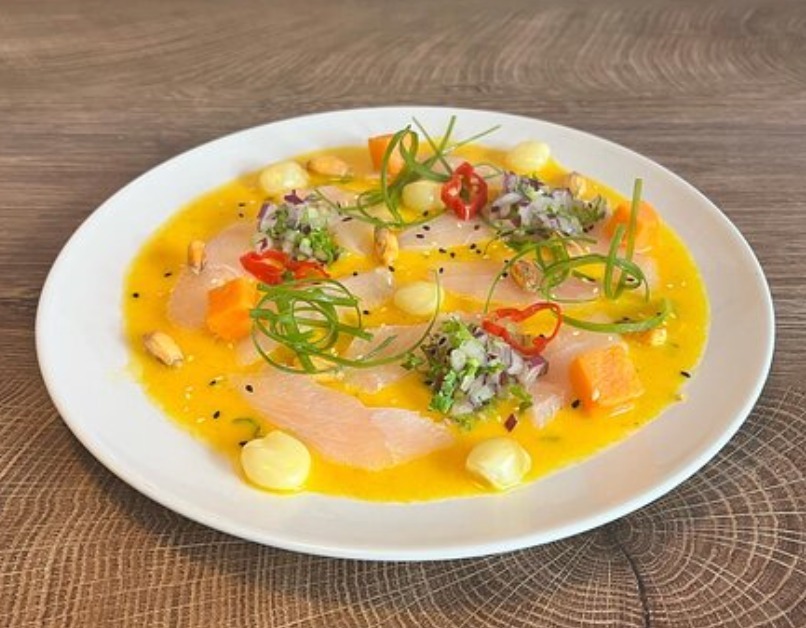
If you’re exploring Nikkei restaurants in Lima, start with tiradito, one of the signature dishes of Japanese-Peruvian fusion cuisine. This dish features thinly sliced raw fish served with a flavorful sauce. Although its presentation may resemble Japanese sashimi, tiradito has a distinctly Peruvian character, often combining citrus-based sauces with ají peppers for a fresh, vibrant flavor.
Another favorite is Nikkei maki, a creative take on Japanese sushi that incorporates Peruvian ingredients such as ají amarillo, fresh seafood, and avocado. When trying Peruvian maki in Lima, look for balanced flavors and the combination of Japanese culinary techniques with local ingredients.
Other dishes worth exploring include:
- Nikkei ceviche: Fresh seafood prepared with a Peruvian citrus and chili dressing, sometimes incorporating Japanese-inspired seasonings.
- Pulpo al olivo: Octopus served with a creamy olive-based sauce, associated with the evolution of Peruvian-Japanese cooking.
These dishes showcase the diversity of Peruvian fusion cuisine and the creativity of Lima’s contemporary food scene. If you’d like to learn more about the origins of this cuisine, read Peru Travel’s overview of Nikkei gastronomy.
Where to explore Nikkei cuisine in Lima
Miraflores is an excellent starting point for discovering Nikkei restaurants in Lima and experiencing the unique flavors of Japanese-Peruvian cuisine. Here, fresh seafood, Japanese cooking techniques, and traditional Peruvian ingredients come together in creative dishes. Nearby, Barranco invites food lovers to explore innovative dining spots, historic streets, and a vibrant local food scene.
2. From the Andes to Lima’s Table: Traditional Markets and Peruvian Superfoods
Traditional markets are the perfect places to discover authentic Peruvian food and local life in Lima, with fresh produce, seafood, native potatoes, chili peppers, and exotic fruits.
A traditional market tour in Lima introduces visitors to Peru’s agricultural diversity, from the Andes to the Amazon and Pacific coast, while exploring regional ingredients, culinary traditions, and the cultural heritage behind Peruvian gastronomy.
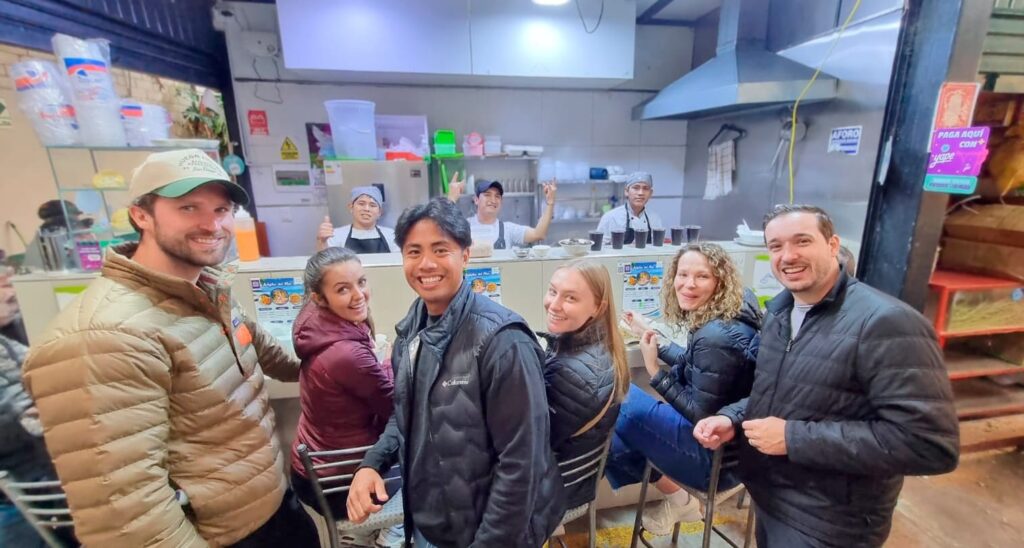
Mercado de Surquillo: A window into Peru’s ingredients
Located near Miraflores, Mercado de Surquillo is a great place to discover traditional markets in Lima and experience authentic Peruvian food culture. Its stalls offer fresh seafood, native potatoes, corn, chili peppers, and a variety of exotic fruits. As highlighted in this Escape article about traveling in Peru, local markets offer a glimpse into everyday Peruvian life and the country’s rich cultural traditions.
During a Surquillo market food tour, visitors can discover seasonal fruits such as lúcuma, granadilla, cherimoya, and aguaymanto while learning how Peru’s diverse geography shapes its ingredients and traditional cuisine.
More than shopping destinations, Lima’s local markets offer an authentic glimpse into everyday life and the rich culinary heritage behind Peruvian gastronomy.
Five ingredients that explain Peruvian cuisine
Peruvian cuisine is known for its diverse ingredients, regional flavors, and long agricultural history. These five ingredients help explain the foundations of traditional Peruvian food.
- Yellow Chili Pepper (Ají Amarillo): is one of the defining ingredients of traditional Peruvian cuisine. This yellow-orange chili contributes fruity flavor, vibrant color, and moderate heat to sauces, stews, and classic dishes such as ají de gallina. Its distinctive flavor is often more important than its spiciness.
- Rocoto: a red or orange pepper associated particularly with Arequipa. It has pronounced heat and a fresh, fruity character. This traditional Peruvian ingredient is commonly used in sauces and rocoto relleno, a popular stuffed-pepper dish.
-
Purple Corn (Maíz Morado): A traditional Andean crop used to prepare chicha morada, a refreshing nonalcoholic Peruvian drink typically flavored with fruit and spices. It is also the main ingredient in mazamorra morada, a traditional purple-corn pudding.
-
Quinoa: Cultivated in the Andean region for thousands of years, quinoa is one of the best-known Peruvian superfoods. This versatile crop appears in soups, salads, and contemporary Peruvian dishes, connecting ancient agricultural traditions with modern cooking.
-
Lúcuma: is a Peruvian fruit with a distinctive sweet, almost caramel-like flavor. It is frequently used in traditional Peruvian desserts, especially ice cream, mousses, and cakes.
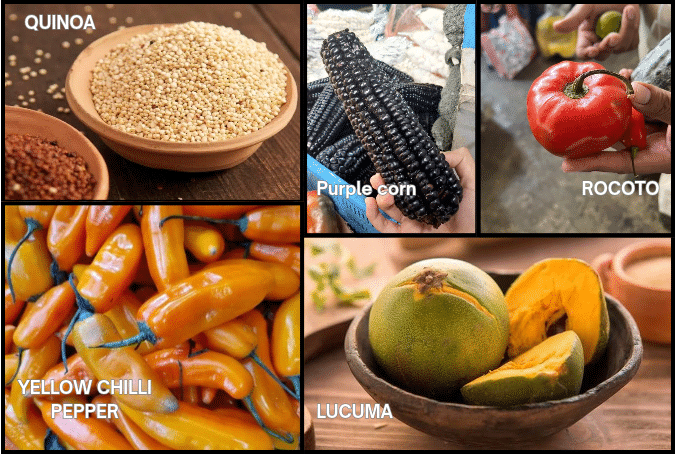
Together, these ingredients showcase the diversity of Peruvian products and the relationship between regional agriculture and local food traditions. To learn more about Peru’s agricultural diversity, native ingredients, and traditional Peruvian foods, explore Peru Travel’s guide to Peruvian products and superfoods.
3. Pisco Sour: Exploring Barranco’s Bars
As afternoon turns to evening, discover another side of Lima’s culinary scene through its vibrant cocktail culture. Barranco is an ideal neighborhood for exploring the Peruvian pisco sour, Peru’s iconic cocktail, alongside creative drinks and a lively local atmosphere.
From traditional bars to contemporary cocktail spots, Barranco offers a taste of Peruvian drinking culture beyond the restaurant scene. As part of a Lima food tour, exploring the neighborhood’s bars is a great way to learn about pisco, discover local flavors, and experience Lima nightlife.
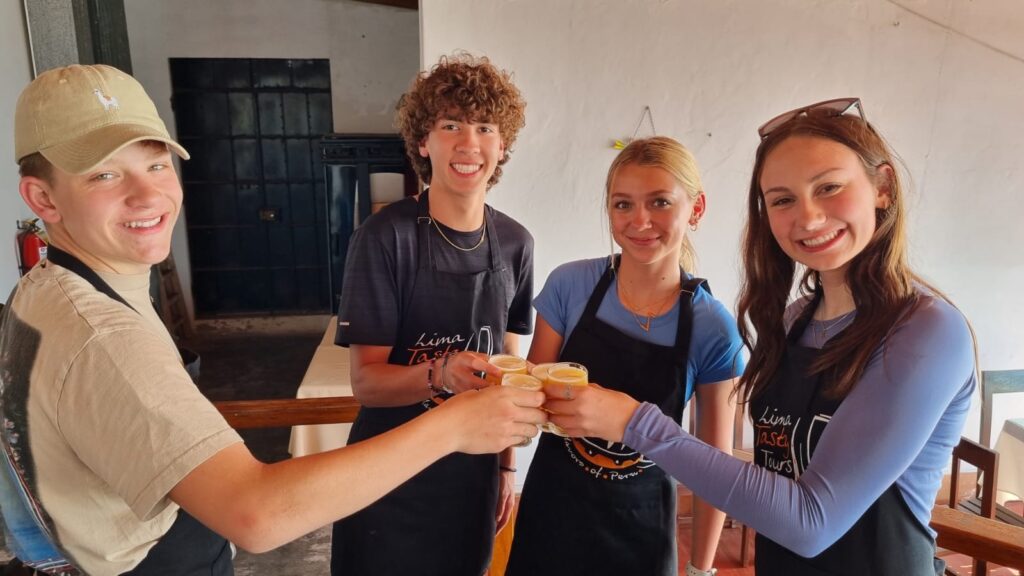
Where to drink the best pisco sour in Lima
Wondering where to find the best pisco sour on a Lima food tour? Start by discovering what makes Peru’s iconic cocktail unique.
Peruvian pisco is a grape spirit protected by a denomination of origin, made from authorized grape varieties using specific production methods. The classic Peruvian pisco sour combines pisco, fresh lime juice, syrup, and ice. It is usually shaken with egg white to create a foamy texture and finished with a few drops of Angostura bitters.
The secret is balance: refreshing acidity, subtle sweetness, and the distinctive flavor of pisco. This traditional Peruvian cocktail has become a symbol of the country’s cocktail culture and a must-try stop on any Lima food tour. The pisco sour’s history is linked to Lima’s historic Morris Bar and the city’s hotel bars. Although some details of its evolution remain debated, the cocktail was declared Cultural Heritage of the Nation in Peru in 2007.
Learn more about the origins of the pisco sour and its production process in Liquor.com.
4. Essential Huariques: Street Food and Local Traditions
Not every memorable meal in Lima takes place in a fine-dining restaurant. Some of the city’s most rewarding food experiences happen in modest neighborhood establishments where recipes have been refined through years of practice and customers return for familiar flavors.
These places are known as huariques: informal eateries, often small and unpretentious, associated with particular dishes, family recipes, or neighborhood food traditions.
There is no single definition of a huarique, and the term does not automatically mean a place is inexpensive or hidden. What matters is its connection to everyday local eating and the reputation it builds through its food.
For travelers interested in authentic Lima street food, huariques provide a different perspective from contemporary restaurants. Exploring neighborhood food spots can reveal traditional recipes, local specialties, and the everyday side of Peruvian gastronomy.
Anticuchos: A classic of Lima’s evening food scene
Anticuchos in Lima are skewers of seasoned meat grilled over charcoal. One of the best-known versions uses beef heart, which is marinated, skewered, and cooked over high heat.
The result is smoky and savory, often served with potatoes and a spicy sauce. The combination of charred edges, tender meat, and ají-based seasoning makes anticuchos a distinctive part of Lima’s street-food culture.
Although anticuchos are enjoyed throughout Peru, they are particularly associated with Lima’s evening food stalls and casual eateries. They remain an essential highlight of an authentic Lima food tour and local dining culture.
If you have never tried beef heart, trying it during a Lima food tour is a great way to experience it with confidence. Ask the vendor or your guide how it is prepared and consider starting with a small portion. Its flavor may be more approachable than some travelers expect, especially when the meat is grilled properly and balanced with the accompanying sauce.
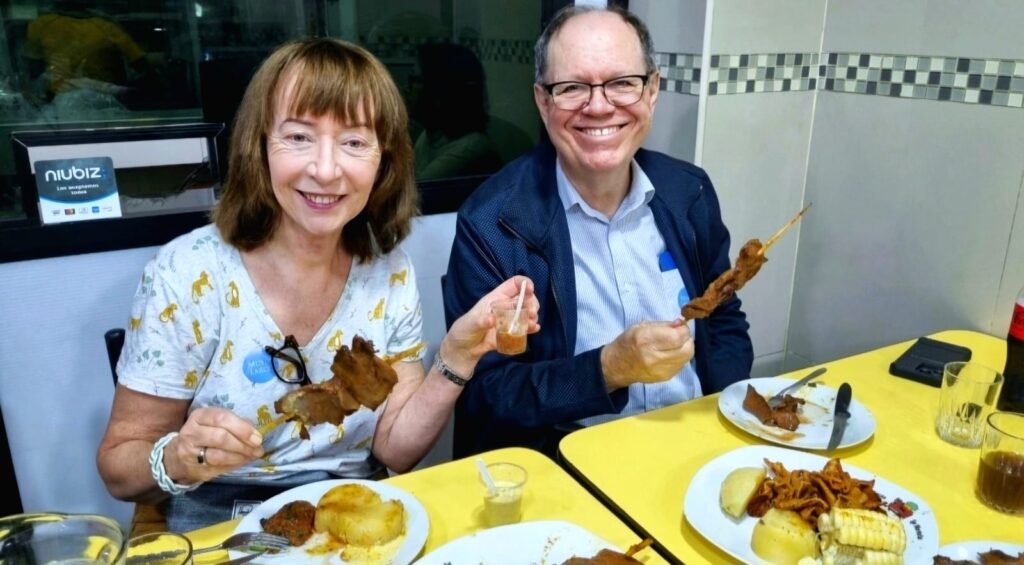
Ceviche: Fresh seafood and a living culinary tradition
Ceviche is one of Peru’s most recognizable dishes, but its importance goes beyond its international reputation. A traditional preparation combines raw fish with lime juice, chili, and salt, often accompanied by red onion, sweet potato, and corn. Ingredients and methods vary by region and cook, and the quality of the fish is central to the result.
In December 2023, UNESCO inscribed the practices and meanings associated with preparing and consuming Peruvian ceviche on its Representative List of the Intangible Cultural Heritage of Humanity. This recognition highlights the knowledge, family traditions, ingredients, and social practices connected with the dish.
Read the UNESCO explanation of ceviche as Peruvian intangible cultural heritage.
In Lima, a neighborhood cevichería offers an opportunity to see how this tradition is practiced in everyday life. Many establishments specialize in seafood and serve ceviche alongside dishes such as leche de tigre, arroz con mariscos, or jalea, a preparation of fried seafood.
Ceviche is generally best enjoyed around lunchtime. Choose a local, busy, reputable place with good food-handling practices to enjoy authentic Peruvian seafood and traditional coastal flavors.
Picarones: Lima’s sweet street-food tradition
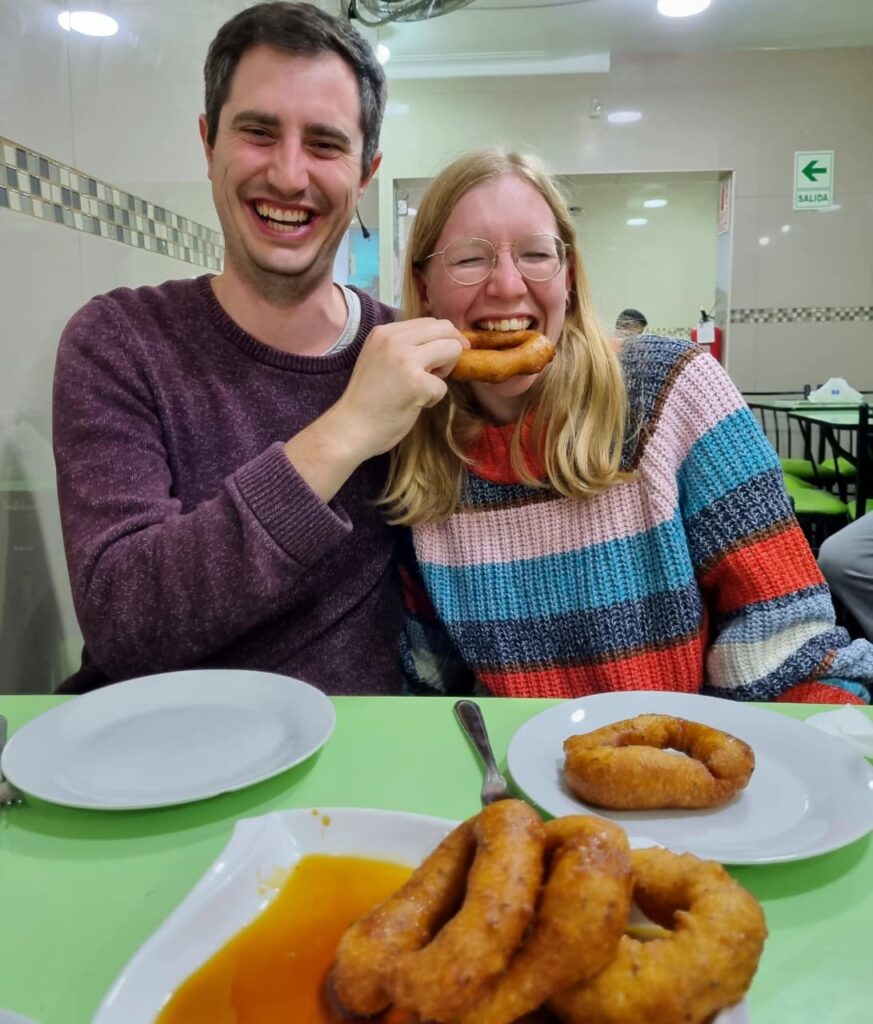
After savory dishes, look for picarones, ring-shaped fritters made from a dough traditionally incorporating squash and sweet potato. The dough is fried until golden and served with molasses syrup made from unrefined sugar, often flavored with cinnamon, cloves, or citrus peel.
Unlike a conventional doughnut, picarones have a distinctive texture and a flavor shaped by the vegetables in the dough and the dark sweetness of the syrup. These traditional Peruvian sweets are commonly sold in the late afternoon at street stalls and dessert shops.
Trying picarones is a delicious way to discover Lima’s dessert culture and round out a culinary journey through the city’s local food traditions.
Why huariques matter to Lima’s food culture
Eating at a huarique during a Lima food tour allows you to experience dishes in the context in which locals enjoy them. You might discover a family-run lunch counter, a stall specializing in anticuchos, or a small restaurant known for a particular preparation of ceviche.
These establishments reveal a side of Peruvian gastronomy that can be overlooked when travelers focus only on famous restaurants. Local eateries preserve cooking traditions, showcase regional ingredients, and bring communities together through food.
Lima Tasty Tours designs culinary experiences around local flavors, traditional markets, and the stories behind Peruvian food. For travelers who want to understand the city beyond restaurant rankings, a guided Lima food tour helps connect the dishes they taste with their rich cultural context. When exploring independently, ask locals for recommendations, check opening hours, and remember that some popular neighborhood establishments have limited menus or sell out of their specialties early.
Ready to explore Lima through its flavors?
Discover Lima Tasty Tours, where every dish is personally tasted and carefully selected for our Lima food tour routes. Explore traditional markets, savor authentic Peruvian flavors, and uncover local food gems with passionate local guides.
Whether you are interested in a market visit, a food-focused walk through Barranco, or a deeper introduction to Peruvian cuisine, choose an experience that matches your interests and appetite. Visit Lima Tasty Tours to explore our Lima food tour experiences and plan your next culinary adventure in Lima. Come hungry, ask questions, and leave with a better understanding of the people and traditions behind every bite.